6 minute read · Last reviewed 21 July 2026
JOURNAL
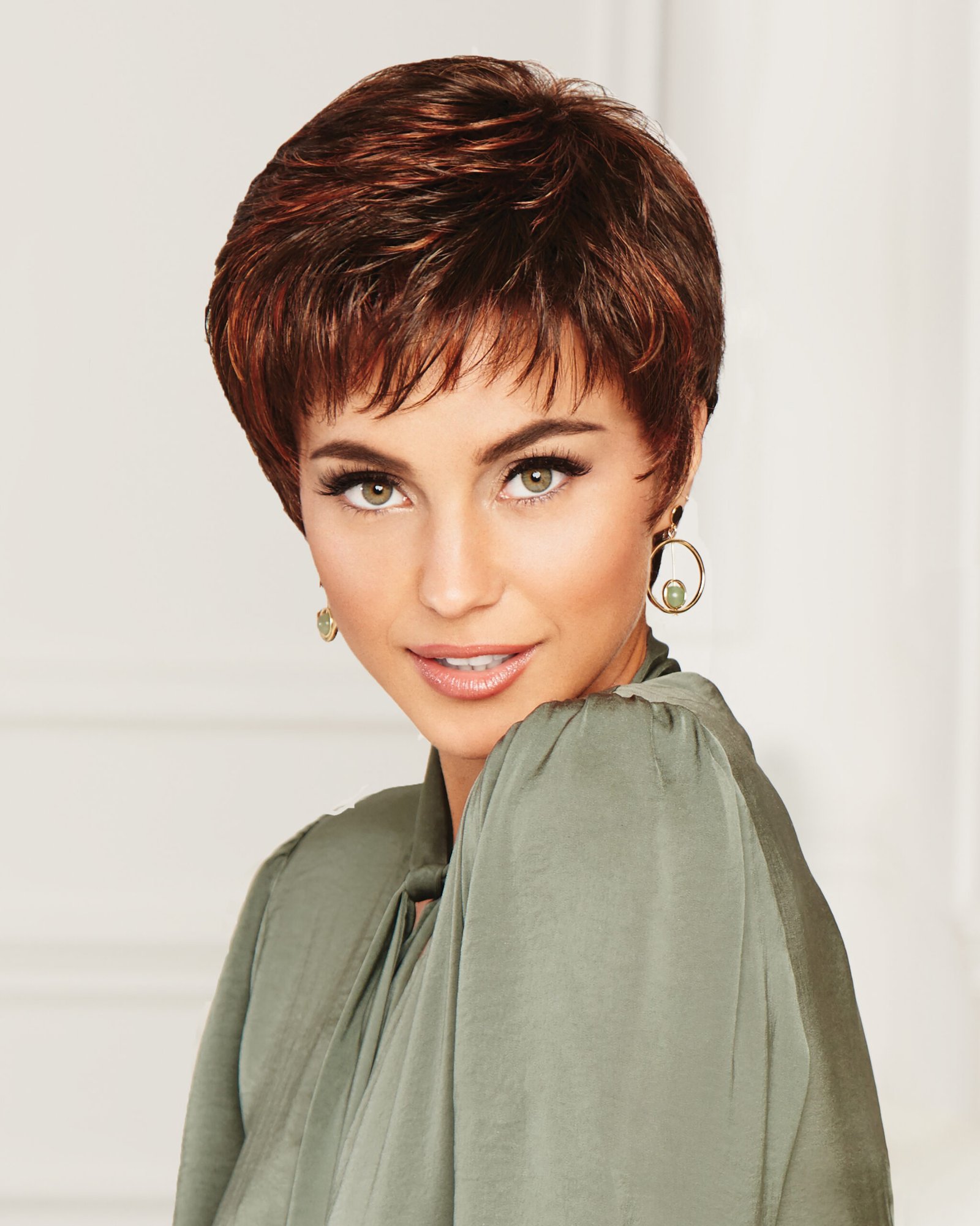
What makes a wig look natural in real life?
“Will it look like a wig?” is often the question underneath every other question.
It is reasonable to ask. Online photographs are controlled. Hair is styled, lighting is chosen and the wearer is usually still. Real life includes daylight, wind, movement, glasses, conversation and the ordinary distance at which other people see us.
No ethical specialist should promise that a piece will be undetectable in every circumstance. A more useful conversation is about the details that make the result coherent and believable.
Density must belong to the wearer
Too much hair is one of the most common reasons a wig looks separate from the person wearing it. Density should reflect head size, facial proportions, age, chosen style and the look the client actually wants.
Natural does not always mean sparse. It means intentional. A glamorous high-density style can be entirely appropriate when it is a deliberate aesthetic choice. It should not be presented as the only sign of quality.
Colour needs dimension
Hair colour is rarely one flat shade. Roots, lengths, ends and the hair around the face reflect light differently. A good match considers warmth, depth, contrast and the wearer’s skin tone as well as the printed colour name.
For toppers and integrated systems, biological hair and added hair must be read together. Sarah’s ability to colour and cut the client’s own hair for the final blend is important here. The piece should not be treated as a separate object while the surrounding hair is ignored.
The hairline is a system, not a single strip of lace
A fine lace front can support a realistic hairline, but lace alone is not enough. The density behind it, direction of ventilation, placement, colour of the base and the way small hairs are introduced all affect the result.
The hairline also has to sit in the right position. Placing it too low, making it too straight or creating a density that begins abruptly can be more noticeable than the base material itself.
Fit changes appearance
A wig that is too large can shift, bunch or sit away from the head. One that is too small may feel uncomfortable and pull out of position. Fit affects security, profile and the way the hair falls.
This is one reason first-time buyers often benefit from an in-person fitting. A size label cannot account for every head shape, and colour shown on a phone cannot be trusted as an exact match.
The cut completes the piece
Even an excellent wig may look unfinished until it is cut for the person wearing it. The fringe, weight around the face, perimeter and movement through the lengths should relate to the client rather than the mannequin on which the wig was displayed.
Ready-made wigs at the atelier can be personalised at fitting for £45 through appropriate cutting, restyling or colour refinement. What is technically possible depends on the fibre and the individual piece.
Home handling matters after the fitting
The most carefully fitted wig can lose its intended finish if it is brushed roughly, exposed to unsuitable heat or stored badly. Before leaving, the wearer should know how to put it on in the correct position, which products to use, how to detangle it and when to ask for professional help.
Natural appearance is therefore not a single purchase feature. It is the relationship between the piece, the wearer, the fitting and the care that follows.
Questions people often ask
Is a lace front always necessary?
No. It depends on the style, hairline visibility, comfort and construction. A fringe or covered hairline may not require the same base.
Does human hair always look more natural?
No. Human hair offers movement and styling flexibility, but fit, density, colour and cut can matter more than fibre alone.
Can a ready-made wig still be personalised?
Yes, within the limits of its fibre and construction. Cutting, restyling and some colour refinement can change how it belongs to the wearer.
Would you like to talk it through?
Every appointment begins with your circumstances, comfort and practical priorities. You do not need to know the product name before getting in touch.