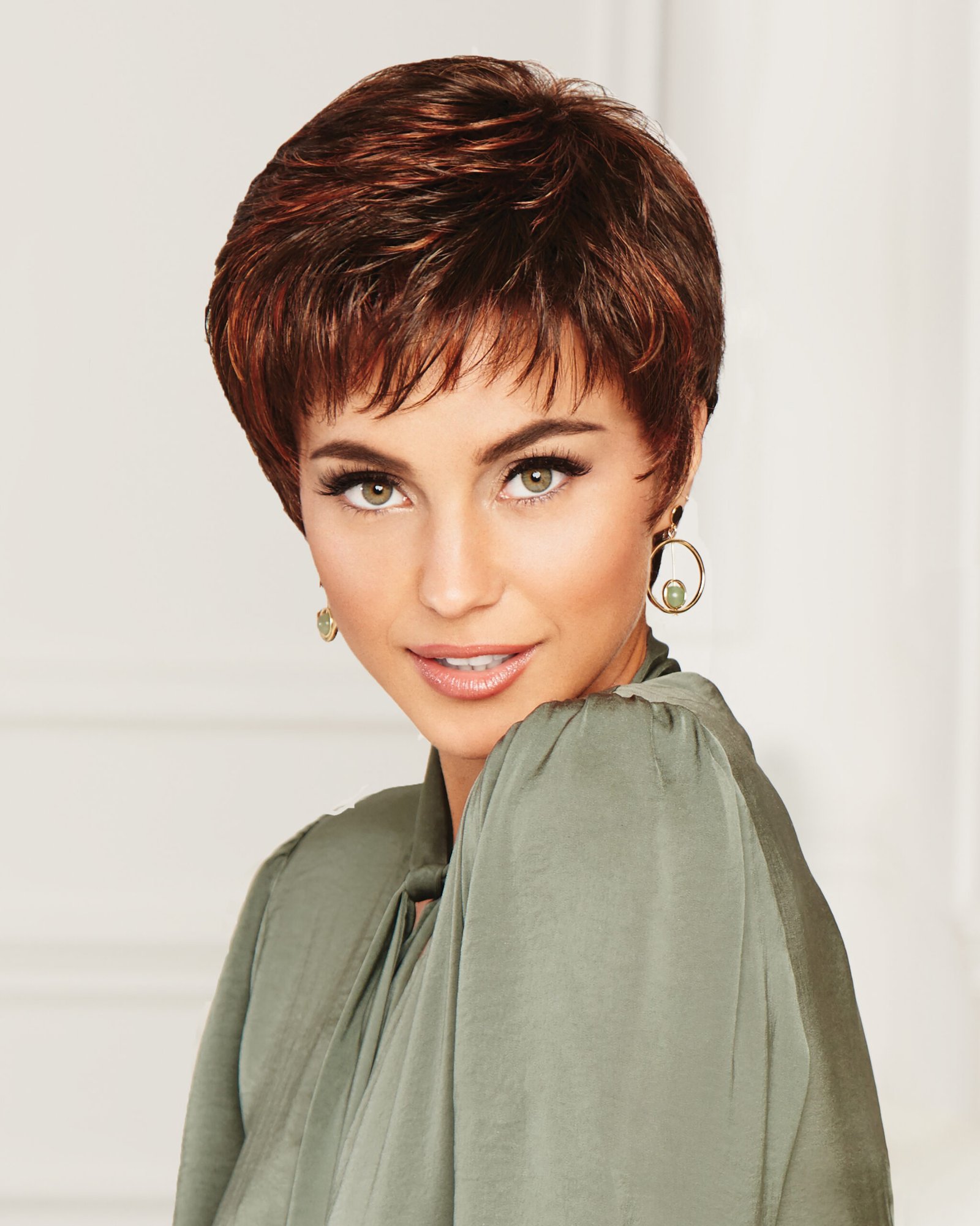
A bespoke wig or hair piece begins with your measurements and a written specification—not a stock cap that is expected to become close enough.
BESPOKE COMMISSIONS
A piece made for one person.
WHAT IS SPECIFIED
Construction chosen around the wearer.
Foundation & fit
Measurements, cap dimensions, hairline, parting and the balance of lace, mono, silk, wefting or hand-tied areas are considered for comfort and use.
Hair, fibre & colour
Fibre, length, calibre and colour blend are specified against the desired result, care routine, available materials and budget.
Density & movement
Density, direction, crown, parting and finish are planned together so the piece behaves coherently rather than reading as separate technical choices.
FROM BRIEF TO FITTING
A commission with clear decision points.
1. Consultation
Sarah considers your priorities, fit, appearance, routine and budget, then explains whether bespoke work is proportionate.
2. Specification
Measurements and technical choices are recorded. You receive the proposed scope, quotation and estimated schedule before committing.
3. Making
The foundation and hair work follow the agreed brief. Any material change to scope or timing should be discussed before it proceeds.
4. Fitting
The piece is checked on you, then cut, styled and adjusted as agreed. Wear and care are demonstrated before handover.
WHEN BESPOKE MAY HELP
For requirements stock pieces cannot resolve well.
Fit and construction
Individual measurements may help where standard cap proportions or base layouts repeatedly create pressure, movement or visible excess.
A particular visual brief
A nuanced colour, density, curl, hairline or parting may require the specification to be built together rather than altered after manufacture.
A considered long-term piece
The value of bespoke depends on the wearer, the materials and the care the piece will receive. It is not automatically the right or most economical route for everyone.
HONEST LIMITS
Made to a brief, not sold as a guarantee.
A bespoke commission can provide more control, but it cannot promise invisibility, permanent fit or unlimited lifespan. Biological hair, scalp, climate, daily wear and maintenance continue to affect the result. The written specification, quotation, estimated schedule and aftercare arrangements are the reference points for the work.
COMMON QUESTIONS
Before commissioning a piece.
Is bespoke always better than ready-made?
No. Bespoke offers greater control over specification, while a well-chosen ready-made piece may meet the need with less complexity. Sarah will compare the relevant routes.
How long will a commission take?
A commission typically takes 8–12 weeks from the point the specification is agreed. Sarah will confirm the estimated fitting window in writing; material availability or an agreed change of scope may affect it.
How is the price decided?
Construction, materials, hair or fibre, length, density, colour work and finishing all affect the quotation. The price is confirmed in writing for the agreed brief.
Will it look completely undetectable?
No responsible maker can guarantee that in every light, movement and viewing distance. The aim is a coherent hairline, parting, density, colour and fit suited to you.
What happens if my needs change while it is being made?
Contact Sarah promptly. Some changes may be possible; others may affect materials, price or timing and should be agreed in writing before work continues.
Is aftercare available?
Yes. Fitting, care and future maintenance needs are explained for the individual piece. The scope of included and chargeable follow-up work is confirmed with the commission.
BEGIN WITH THE BRIEF
See whether bespoke is the right route.
Choose a focused 45-minute consultation for £65 or an in-depth 90-minute consultation for £120 at the Matlock atelier. Both can include assessment, any required measurements and discussion of your product requirements. Nothing needs to be commissioned on the day.